What Questions To Ask Your Mechanic During Your Next Car Maintenance Visit
July 31, 2026
A car maintenance appointment should give you more than a receipt and a new reminder sticker. It is also a chance to understand the vehicle’s current condition, learn which services are approaching, and decide which repairs should receive attention first.
You do not need to know every part under the hood to have a useful conversation with your mechanic. A few direct questions can help you understand why a service is recommended, what could happen if it is delayed, and how to plan for future costs.
What Service Is Actually Due Right Now?
Ask the mechanic which services are due according to the vehicle’s mileage, age, manufacturer schedule, and previous records. A maintenance reminder may indicate that an appointment is needed, but it may not identify every fluid, filter, or wear item that should be checked.
Service history is important because the odometer cannot show what has already been completed. If the coolant, transmission fluid, or spark plugs were replaced recently, they may not need attention again. Ask the shop to separate overdue work from services that are approaching so you can build a practical plan.
What Did You Find During The Vehicle Inspection?
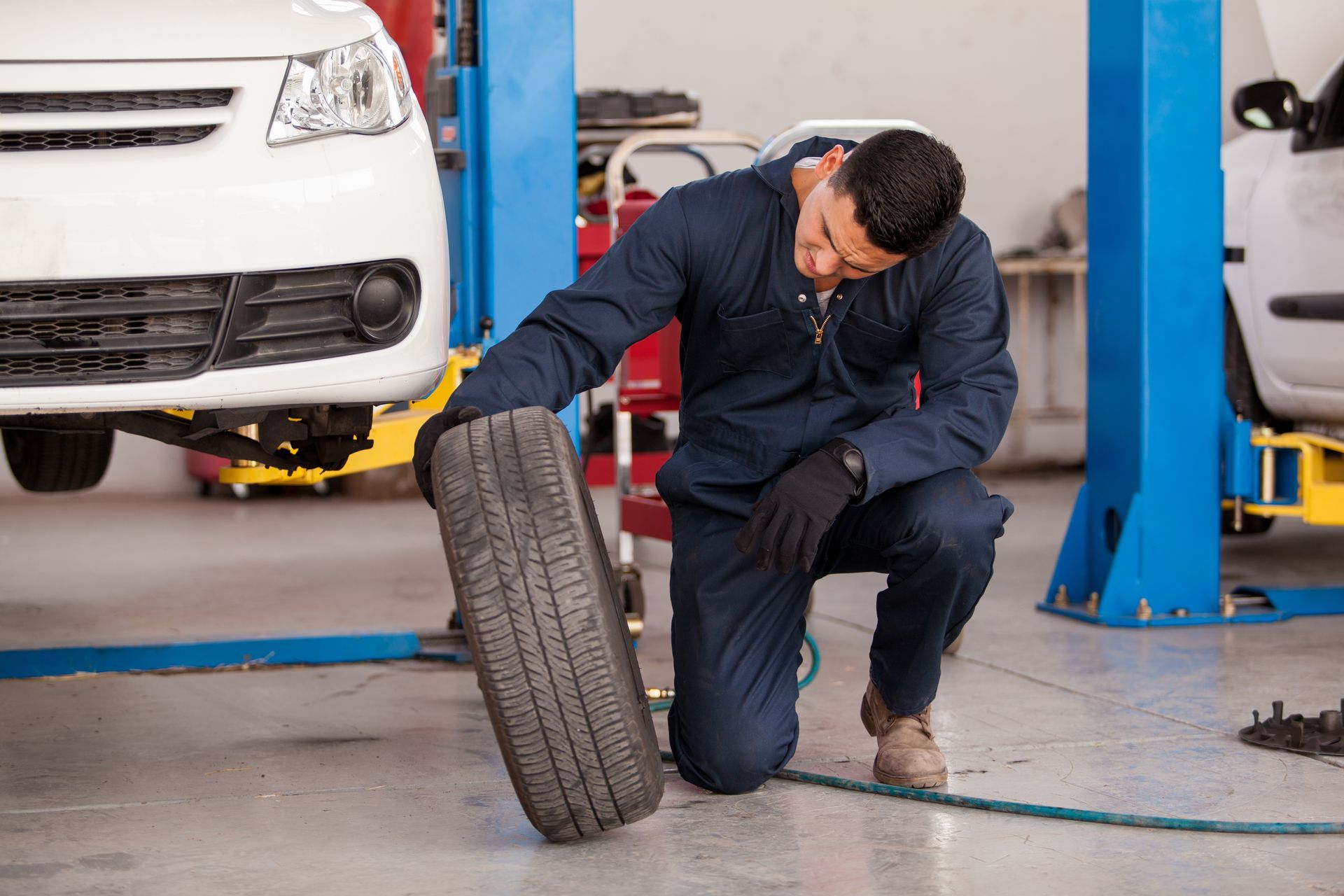
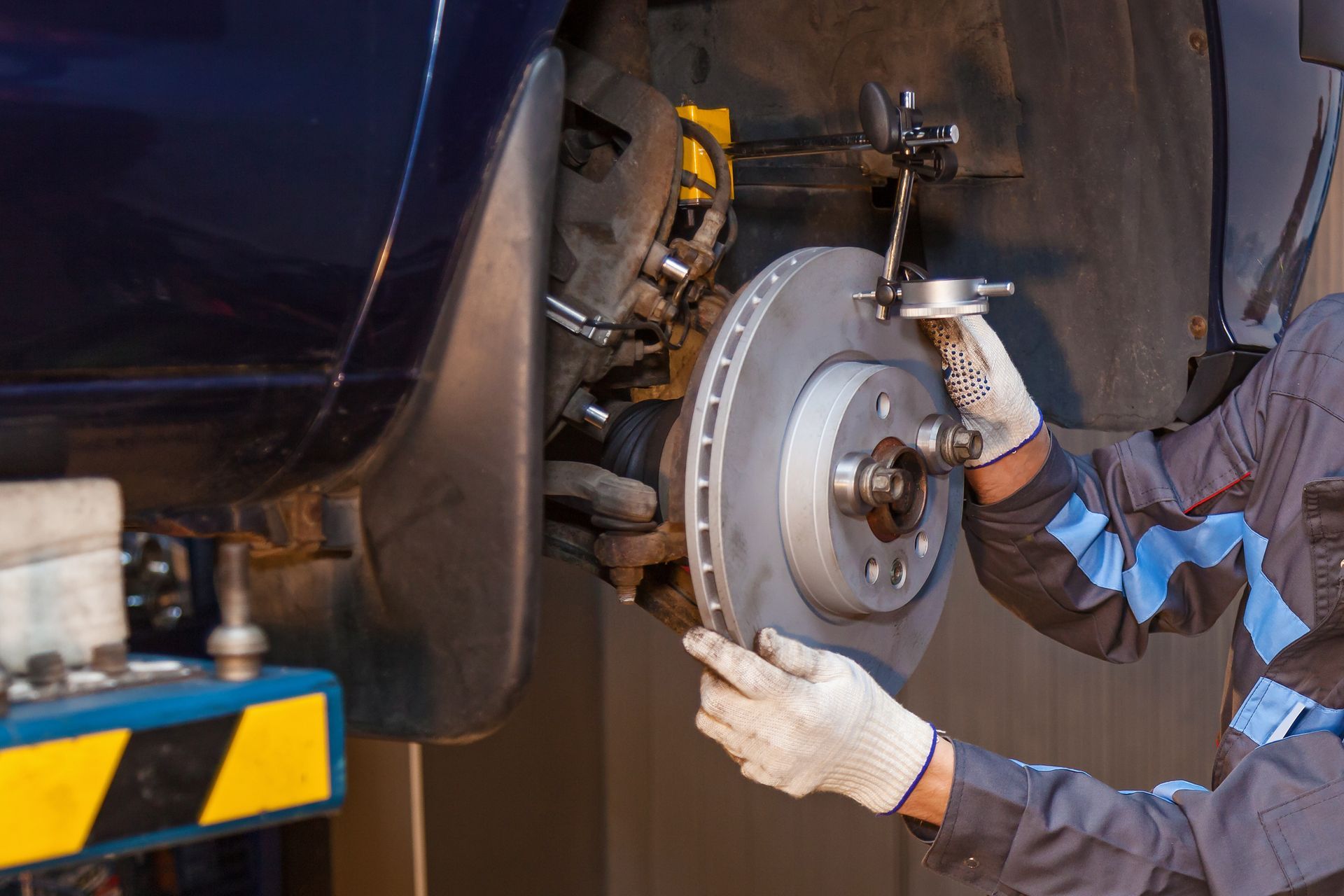
Ask the technician to explain any leaks, worn parts, low fluids, or uneven tire wear found during the inspection. Request measurements when they are available, such as brake pad thickness, tire tread depth, battery test results, or rotor condition.
Visible evidence can also make recommendations easier to understand. A shop may be able to show you a cracked belt, damaged tire, dirty filter, leaking hose, or worn suspension bushing. Seeing the concern and hearing how it affects the vehicle can help you make a more informed decision.
Which Repairs Need Attention First?
Not every recommendation has the same urgency. Ask the mechanic to organize the findings by priority rather than presenting every item as an immediate need. A useful explanation should identify safety concerns, repairs that could prevent additional damage, and items that can be monitored.
- Questions that can help clarify priority include:
- Is the vehicle safe to drive?
- Could delaying this damage another component?
- Is the problem likely to leave me stranded?
- How long can the repair reasonably wait?
- Can the work be divided between several visits?
- What symptoms should make me stop driving?
Clear priorities allow you to focus on braking, steering, tire, overheating, or fluid-loss concerns before addressing less urgent wear. They also make it easier to budget without ignoring a problem that could become much more expensive.
What Caused The Part To Wear Out?
Replacing a failed component is important, but understanding why it failed can prevent the same problem from returning. Uneven brake pad wear may come from a sticking caliper. A damaged tire may be connected to poor alignment, while an oil leak may have contaminated a failed belt.
Ask whether the worn part failed from normal use, age, impact damage, poor installation, or trouble elsewhere in the vehicle. Correcting only the visible result may leave the original cause in place. A complete repair should address connected concerns whenever possible.
Which Parts And Fluids Will Be Used?
Modern vehicles often require specific fluids and replacement parts. Engine oil must meet the correct viscosity and manufacturer approval. Coolant, transmission fluid, brake fluid, spark plugs, filters, and drivetrain lubricants may also have exact specifications.
Ask whether the recommended products meet the vehicle manufacturer’s requirements and whether different part options are available. The least expensive part may not always offer the best service life, while the highest-priced option may not be necessary for every vehicle. The shop should be able to explain the difference in quality, warranty coverage, and expected use.
What Maintenance Is Coming Up Next?
A good appointment should help you plan beyond today’s work. Ask which services are likely to be due over the next several months or before the next major mileage interval. Upcoming needs may include tires, brakes, coolant, transmission fluid, spark plugs, belts, or battery replacement.
Regular maintenance records make these plans more accurate. Request an updated record showing the date, mileage, services completed, and parts or fluids installed. Keeping that information helps prevent missed work and reduces the chance that a future shop recommends a service that was recently performed.
What Symptoms Should I Watch For?
Ask whether the technician noticed anything that is acceptable now but may need attention later. A minor seep, aging battery, slightly worn tire, or brake pad with some usable material remaining may not require immediate replacement.
The mechanic should explain which warning signs indicate that the condition is becoming worse. New noises, warning lights, changing pedal feel, fluid spots, overheating, difficult starting, or stronger vibration may mean the vehicle needs to return sooner than planned. Knowing what to watch for can help you respond before a monitored concern becomes urgent.
How Much Will The Work Cost And What Is Included?
Before authorizing service, ask for a written estimate that separates parts, labor, fees, and taxes. Confirm whether diagnostic testing, fluid disposal, alignment, programming, or additional procedures are included in the total.
Ask the shop to contact you before performing work beyond the approved amount. Repairs sometimes reveal hidden damage after components are removed, but you should receive an explanation and updated estimate before additional work begins. Clear communication prevents confusion when the vehicle is ready for pickup.
Get Car Maintenance In Seattle, WA, With Masters Auto & Tire
Masters Auto & Tire in Seattle, WA, can review your vehicle’s service history, current condition, and upcoming maintenance needs.